Episode Seven: Dreams and Heroes
Sarah woke before she opened her eyes.
She knew where she was. She could feel her pillow beneath her cheek and the blankets twisted around one leg. Somewhere down the hall, the house was quiet.
But she could still hear her father.
“Sarah!”
His voice was far away. She ran toward it. The ground beneath her feet was dark and uneven. Shapes moved past her on both sides, tall black shapes cutting into a sky she couldn't see. A flashlight beam bounced somewhere ahead of her.
“Dad!”
She ran faster. The light disappeared.
“Dad!”
Something caught her foot, and she fell hard. She pushed herself up. She knew what was going to happen, and that was the worst part. She always knew.
“Dad, wait!”
His voice came again, only this time it was not calling her. Just a sound.
Then nothing.
Sarah's eyes snapped open, frantic for orientation, and her breathing was labored. Her room was dark. For several seconds she didn't move. She listened. The house made its ordinary nighttime sounds. The refrigerator hummed somewhere beyond her door. Sarah pulled the blanket closer and kicked her feet underneath it again. The safety of covers.
She hated the dream. Not because it frightened her anymore. Because it never changed.
She always ran. She was always too late. And her father always disappeared before she reached him. Sarah turned toward the nightstand.
The penny was there.
Breathing felt like it returned a bit. Morning light had just begun to find the edge of the window, enough to catch the old Indian Head and separate it from the lace doily beneath it. Sarah reached for it and held the penny between her fingers.
Saturday.
She closed her hand around the coin.
At nine o'clock exactly, Sarah pushed through the Library doors, leaving Wayne standing at the curb. He'd barely said anything during the drive. This was one of the bad days.
No breakfast. No conversation. Only a quiet ride to the Library.
Wayne knew Sarah had the dream again. Railroad Bob was behind his desk.
He looked up.
“Morning, Sarah.”
“Morning.”
She crossed the lobby. Bob held out his hand. Sarah dropped the penny into it.
Not even a half-hug today.
He looked at the coin. Then at Sarah.
“Heavy one today?”
Sarah frowned. “It's a penny.”
Bob snarked. “Of course it is.”
He dropped it into the locomotive bank.
Clink. The latch released.
Sarah headed for the stairs. She stopped after three steps and looked back.
Bob had already returned to his book.
“Bob?”
He looked up.
“Does everybody get the same kind of book?”
Bob considered the question.
“No.”
Sarah waited. Bob turned a page.
“That's all you're going to say?”
“Pretty much.”
Sarah shook her head and continued upstairs.
Bob returned to his book.
The room smelled like real life. Sarah still didn't know how else to describe it. The heavy door closed silently behind her. There were more people on the floor today. A woman sat near the windows with a book open across both knees. An old man stood between two shelves, running one finger slowly along a row of spines.
Sarah found her aisle. Found her shelf. Her Book was waiting.
Sarah grabbed it and, squeezing as close to the end of the aisle as possible, sat down.
For a moment, she didn't touch it. She thought about the dream.
Then she opened the Book. The first words were already there.
I almost wasn't here.
Sarah leaned closer.
More words appeared.
Not almost like falling off a bicycle.
A pause.
Though we'll get to those.
Sarah smiled.
I mean, I almost wasn't here at all.
The smile disappeared.
It was 1952. My mom was seven months pregnant with me when something went wrong. She took a bus to a hospital in Los Angeles because my father wasn't available.
Sarah read the sentence twice.
The letters continued.
The doctor told her the baby had to go or she might die.
The words stopped.
Then—
The baby was me, by the way.
Sarah stared at the page.
The doctor called my father and asked permission.
A pause.
My father said yes.
Nothing appeared for several seconds.
Sarah waited.
My Aunt Annie, I think it was my Aunt Annie, called my grandmother.
The letters came faster.
My grandfather drove her to the hospital. He was a quiet man. I think he understood this was one of those times when his job was to drive the car and let my grandmother be my grandmother.
She walked into the hospital, and she took my mother home.
Sarah waited.
The doctor bluntly and with great passion told her my mother could die, and it would be “on her head.”
My grandmother took her home anyway.
The page went still.
Somewhere across the room, a book closed.
Sarah looked toward the sound. Then back at the page.
Two months later, on Labor Day, I was born on my grandmother's kitchen table.
Dr. Sakaguchi came to the house. Doctors did that back then.
My grandfather was told to get towels, which apparently meant—to him, anyway—get in the car and drive somewhere, because that's what he did.
Sarah laughed.
The letters continued.
My grandmother and Dr. Sakaguchi delivered me.
So I entered the world on a kitchen table in a house in Sylmar.
A final sentence appeared.
Not bad for somebody who had already been voted off the island.
Sarah smiled.
Then she stopped smiling. She looked at the page for a long time.
Finally, she asked her question.
“Did you ever hear your grandma say anything to you about this?”
Nothing happened.
Sarah waited.
Then one word appeared.
No.
More words followed.
She died in a car accident when I was eleven. All I remember about that day was standing in the street, watching my mother's car drive away to go be with other grownups.
They left me there.
Alone.
Sarah's hand tightened around the edge of the Book.
I didn't know enough to ask important questions when I was eleven.
The letters stopped.
Sarah waited.
That's one of the lousy things about time. Sometimes you finally think of the right question after the person who knows the answer is gone.
Sarah stared at the words.
A new line began.
You know what's strange? You ask me questions about things I haven't thought about in years.
The writing stopped again.
Sarah leaned closer.
Sometimes I think I'm remembering the answer as I tell it to you.
Sarah didn't move.
Then—
I couldn't ask my grandmother.
A pause.
But you can ask me.
Sarah touched the edge of the page. One final line crossed it.
I'm telling you instead.
Sarah sat very still.
Mungie had spent a lot of time by himself. She knew that now. But when he told his stories, being by himself never seemed to mean he was alone. She wasn't sure what that meant yet.
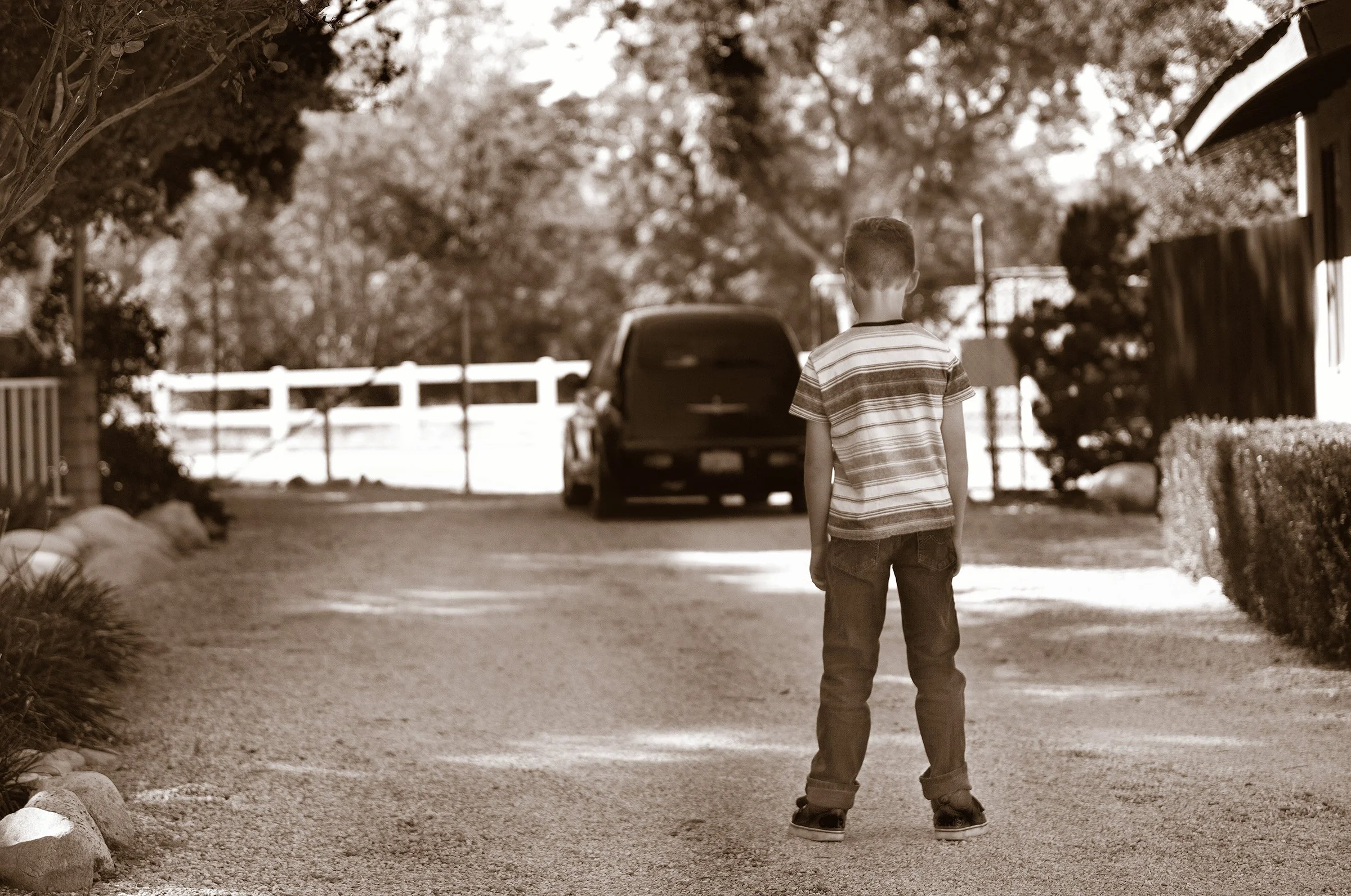
Sarah closed the Book.
She didn't get up right away.
For some reason, she thought about the dream again.
Her father's voice.
The flashlight.
Running after him.
Always being too late.
She looked down at the closed Book.
Then she stood and returned it to the shelf.
When Sarah came through the upstairs doors, Bob was waiting near the top of the stairs.
He looked at her.
Sarah looked back at him.
Neither one said anything.
Then Sarah walked over and wrapped her arms around him. It wasn't the quick little half-hug she usually gave him. She held on.
Bob didn't ask why.
He just hugged her back.
After a few seconds, Sarah let go.
Bob looked down at her.
“Better?”
Sarah thought about it.
“A little.”
Bob nodded.
“A little works.”
Sarah started down the stairs.
“Sarah?”
She stopped and turned around.
Bob was still standing at the top.
“Sweet dreams, kiddo.”
Sarah looked at him for a moment.
Then she smiled.
“See you next Saturday, Bob.”
She turned and continued down the stairs. Bob watched until she reached the bottom. Sarah pushed through the big Library doors. Wayne was waiting.
And this time, she was ready to go home.